
Key takeaways
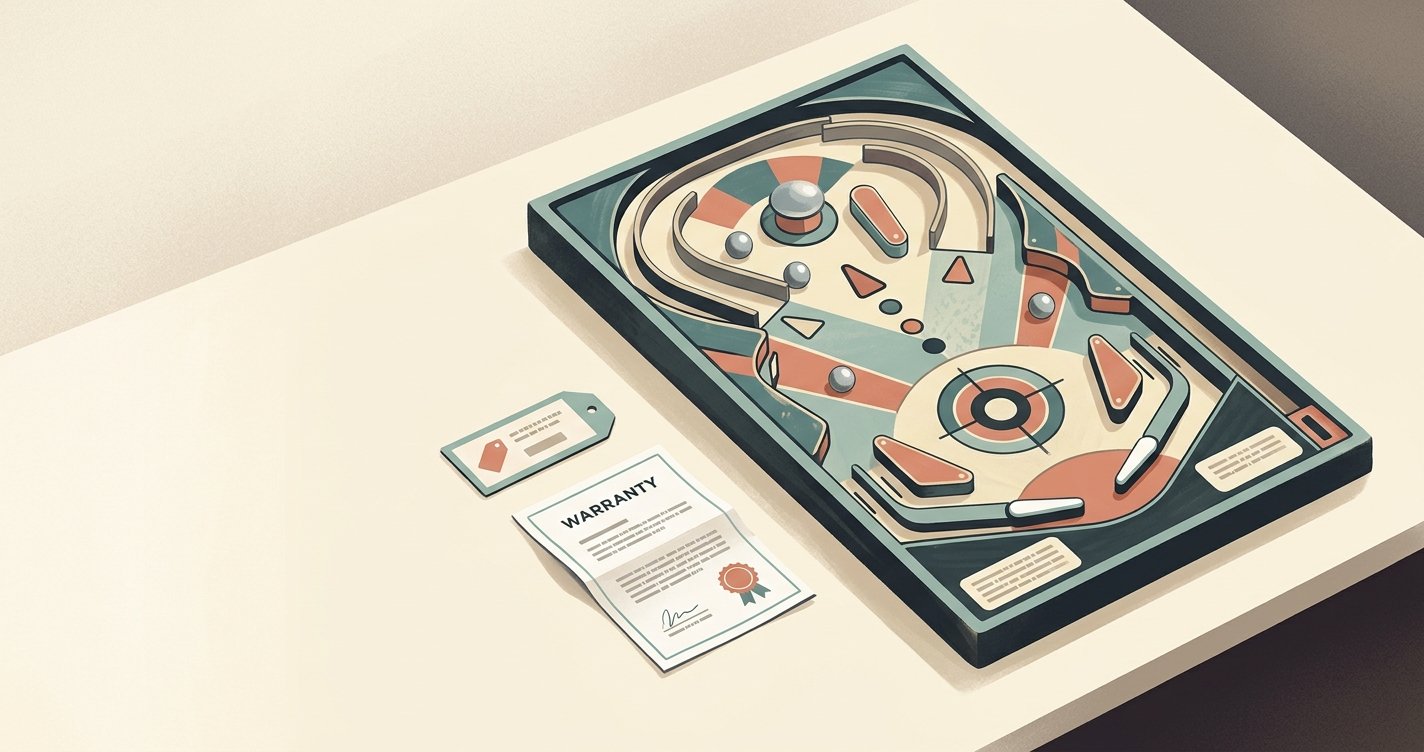
- New pinball machines carry manufacturer warranties and factory support, while used machines trade that coverage for a lower entry price.
- A used solid-state or 1990s game often sells for $3,000 to $5,000, while a new Stern Pro starts at $6,999.
- Collectors chasing pristine limited editions or long-term investment usually favor new machines; casual players and first-time buyers often get more play value from a good used table.
- Parts and support are easier to secure on current-production titles, so an older used machine may need a hobbyist community and third-party sellers for repairs.
- Match the purchase to how you will use the machine: home enjoyment, commercial revenue, or a collection you plan to hold and resell.
If you want the lowest entry price and don't mind occasional maintenance, a used pinball machine is usually the smarter buy. If you want factory support, a warranty, and the newest features with the least fuss, a new machine earns its higher price. The right answer depends on your budget, how often the machine will get played, and whether you are buying to enjoy, to earn, or to collect.
Both paths lead to a great game in your home or business. The difference is what you trade along the way: money now versus effort later, guaranteed coverage versus a hunt for parts, and the latest title versus a proven classic. Here is how the two options compare on the things that actually affect your decision.
Cost Comparison and Long-Term Value
Price is where most buyers start, and the gap is real. A new Stern Pro model starts at $6,999, with Premium editions around $9,699 and Limited Editions reaching $12,999, according to prices listed at Punk Rock Pinball. Higher-end manufacturers push further: Jersey Jack Pinball lists Arcade Edition games at $9,999 and Collector's Editions at $15,000.
Used machines widen your options at every budget. Working solid-state and 1990s games often sell in the $3,000 to $5,000 range, while desirable modern used Sterns tend to land between $5,000 and $6,500. Sought-after modern titles in mint condition can still exceed $10,000, which shows that "used" does not always mean "cheap."
Long-term value cuts both ways. A new machine loses some resale value the moment it leaves the factory, similar to a new car. A used machine has already taken that first drop, so a well-chosen title can hold its price for years. Popular themes and low production runs tend to retain value best, while common games drift downward over time. If you are weighing resale into your decision, our used pinball machines buyer tips walk through how to spot a machine that will keep its worth.
It also helps to think about the total cost of ownership rather than the sticker price alone. A new machine adds no immediate repair costs and rarely needs parts in its first year, but it locks up more of your budget upfront. A used machine costs less at purchase, yet you should set aside a small cushion for near-term items such as rubbers, bulbs, or a switch adjustment. Factoring that reserve into your plan keeps the true cost comparison honest and prevents surprises after the sale.
Warranty and Reliability Differences
A factory warranty is one of the clearest advantages of buying new. Stern Pinball provides a one-year limited warranty covering major parts including the circuit boards, LCD display, power supply, playfield assembly, backbox, cabinet, and legs, as detailed on the Stern Pinball warranty page. That coverage matters most in the first year, when any manufacturing defect is most likely to surface.
There is a catch worth knowing before you assume a discounted "new" machine is protected. Stern's terms state that machines purchased three or more years after their manufacture date are not covered, even when bought new by the original owner. So an unsold showroom model from a few years back may carry no warranty at all.
Used machines almost never come with manufacturer coverage. That does not make them unreliable, but it shifts responsibility to you and the seller. A machine that was regularly cleaned, waxed, and serviced can play flawlessly for years, while a neglected one may hide worn switches, failing bulbs, or tired boards. This is the strongest argument for buying from a dealer who tests and services every machine rather than from an unknown private listing.
Availability of Parts and Support
Repairs are part of pinball ownership no matter which route you take, so think about how easy it will be to keep your machine running.
New and current-production titles are the easiest to support. Manufacturers stock replacement parts, publish manuals, and push software updates, and dealers can order components directly. When something breaks, you can usually get an exact replacement quickly.
Older used machines lean on a different support system: a deep hobbyist community and a network of third-party parts sellers. Common playfield parts, rubbers, bulbs, and flipper components are widely available for classic games, and reproduction boards exist for many popular titles. The challenge appears with rare or discontinued machines, where a specific display or custom assembly can be hard to source and expensive when you find it. If you enjoy tinkering, this ecosystem is a feature; if you want a plug-and-play experience, it is a reason to favor newer machines.
Understanding the machine's inner workings helps you gauge how repairable a given game will be, and it lets you ask sellers the right questions about the boards, flippers, and displays before you commit.
Which Option Suits Collectors vs. Casual Players
The best choice often comes down to who you are as a buyer.
Casual players and first-time owners usually get the most enjoyment per dollar from a good used machine. A well-maintained title in the $3,000 to $5,000 range delivers the full pinball experience without the premium of a new release, and it frees up budget for accessories or a second game down the road. Families setting up a game room tend to care more about a fun, durable theme than about owning the newest model.
Collectors weigh different priorities. If you are chasing a pristine limited edition, a specific low-production title, or a machine you intend to hold as an investment, buying new gives you full control over condition and provenance from day one. Collectors also value factory-fresh cosmetics and complete documentation, both easier to guarantee on a new purchase.
Commercial operators, such as arcade and bar owners, sit somewhere in between. They often favor machines that earn revenue reliably and are easy to service, which can point toward newer games under warranty or well-maintained used titles from a trusted dealer.
Making the Right Call for Your Budget and Goals
Start with three honest questions: how much you want to spend, how the machine will be used, and how long you plan to keep it.
If your budget is firm and enjoyment is the goal, a serviced used machine gives you the most game for your money. If you value peace of mind, want the latest title, and prefer to avoid early repairs, a new machine justifies the higher cost through warranty coverage and factory support. If you are buying as a collector or investor, focus on condition, theme demand, and production numbers rather than the new-versus-used label alone.
Whichever direction you lean, buy from a source that stands behind the machine. At Pinballmachinesinc, both new and used tables are inspected and backed by knowledgeable support, so you get an honest assessment of a machine's condition before you commit. That guidance matters as much as the price tag, especially for a first purchase.
Your clearest next step is to set a firm budget number, then match it against the categories above: a working used classic near the lower end, a modern used Stern in the middle, or a new production title at the top. Once you know which tier fits, browse current listings in that range and ask the seller for service records and a live gameplay demo before you buy.
Frequently asked questions
Are used pinball machines reliable?
A well-maintained used machine can run for years, but reliability depends on the previous owner's care and the age of the electronics. Buying from a reputable dealer who tests and services machines reduces the risk.
Do new pinball machines come with a warranty?
Yes. New machines from manufacturers like Stern include a limited warranty, typically one year, covering major components such as the circuit boards, display, and cabinet.
Is a used pinball machine a good investment?
Certain sought-after titles hold or gain value over time, while common games depreciate. Condition, theme popularity, and production numbers matter far more than age alone.
How much should I budget for a first pinball machine?
Many first-time buyers find a solid working used machine in the $3,000 to $5,000 range, while a new production title generally starts near $7,000.
What costs more to maintain, a new or used machine?
Used machines are more likely to need near-term repairs and part replacements, while new machines run trouble-free longer but cost more upfront and still need routine care.
No comment